
-
September 8, 2026
- 0 Comment
What LPG Cylinder Revalidation Involves
LPG cylinders spend their working lives moving between filling plants, vehicles, retailers and customers. Handling, storage and use can affect their condition over time. For LPG businesses, a planned approach to cylinder inspection and revalidation is an important part of managing a fleet responsibly.
But what actually happens during revalidation? The answer depends on the cylinder, its condition, the applicable standard and the requirements of the jurisdiction. This guide explains the main stages at a business level and the questions to ask a service provider.
A note on safety: Cylinder inspection, testing, valve work and repairs must be carried out by appropriately qualified personnel using the required facilities and procedures. This article is not a do-it-yourself guide.
What is LPG cylinder revalidation?
Revalidation, also called requalification in many contexts, is the process of inspecting and/or testing a cylinder to determine whether it is suitable for continued service under the applicable requirements. EPRA’s autogas licensing guidance uses this general terminology in relation to the relevant Kenya Standard; its application to any particular fleet must be confirmed separately.
Revalidation is not the same as giving a cylinder a fresh coat of paint. Appearance can improve during refurbishment, but acceptance for continued use depends on the required assessment, tests and documentation.
Why plan revalidation as part of fleet management?
A planned programme helps a business identify cylinders requiring assessment, organise service volumes and maintain appropriate records. It can also help teams anticipate logistics and budget for work on cylinders that cannot return to circulation.
Consider the full fleet journey: when cylinders were manufactured, where they are deployed, how they are recovered and how they will be presented for inspection. Accurate records help make that planning more practical.
Identify the cylinders and requirements
Start with the fleet information available to you. Depending on the project, this may include cylinder sizes, quantities, ownership, identification details, previous service records and the destination market. The service provider needs to understand the cylinder type and the requirements that apply. Inspection intervals, acceptance criteria and records can differ by design, jurisdiction and governing standard. Confirm the current requirements with the appropriate authority and qualified provider; do not rely on an interval copied from another country.
Arrange safe receipt and assessment
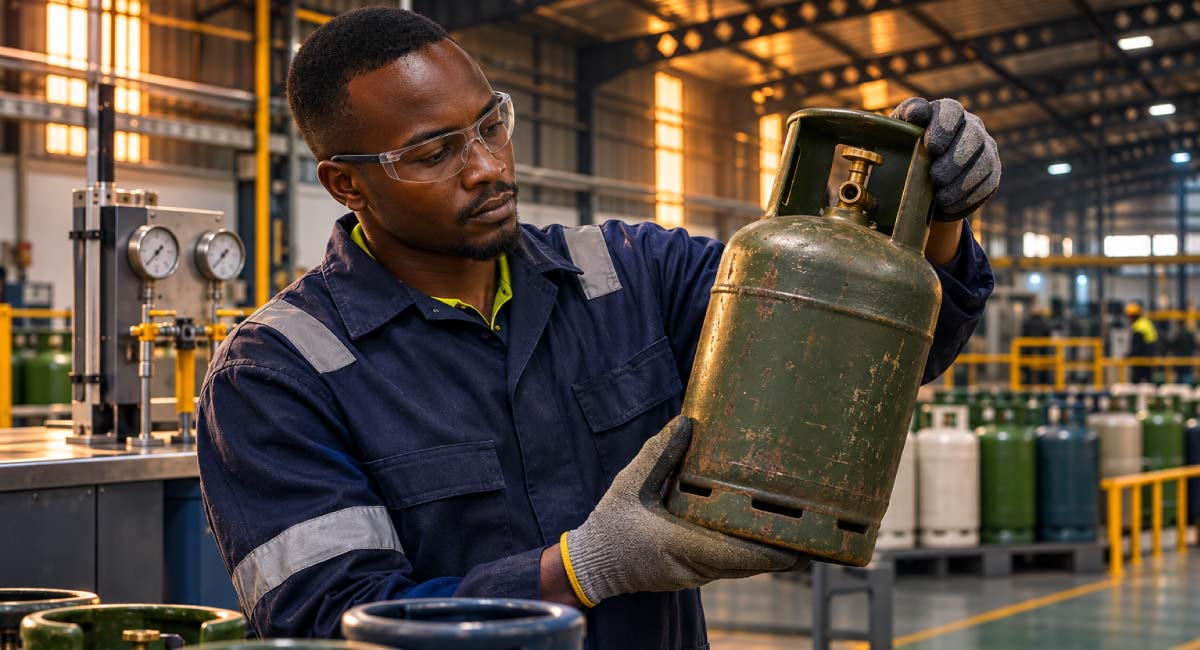
Agree how cylinders will be prepared for collection or delivery, what information will accompany them and any site-specific receiving requirements. Handling, transport and any preparation must follow applicable rules and the instructions of qualified personnel. At the facility, the provider assesses cylinders against the relevant requirements. The assessment may consider identification, external condition, visible damage, corrosion, fittings and other features as required by the applicable process. If a cylinder appears damaged or defective, do not assume that repainting or replacing a visible component makes it safe. Follow your organisation's procedures and seek assessment from the appropriate qualified party.
Carry out the applicable inspection and tests
The exact inspection and testing plan is determined by the relevant cylinder specification, standard and service scope. It can involve examination and pressure testing, among other checks. The equipment, procedures, acceptance criteria and personnel competence are matters for the qualified revalidation provider. Hydrostatic testing, for example, uses water under controlled conditions as part of assessing a cylinder. A test method or pressure appropriate to one cylinder must not be assumed suitable for another. Ask the provider to explain which tests and records apply to your project.
Decide the cylinder's next step
Not every cylinder presented for revalidation will be suitable for continued service. Based on the assessment and applicable requirements, a cylinder may be accepted, require permitted work and further assessment, or be rejected and handled under the applicable disposal process. Agree how rejected cylinders will be identified, recorded and managed. Never return a cylinder to circulation simply because its exterior looks improved.
Refurbish and finish where appropriate
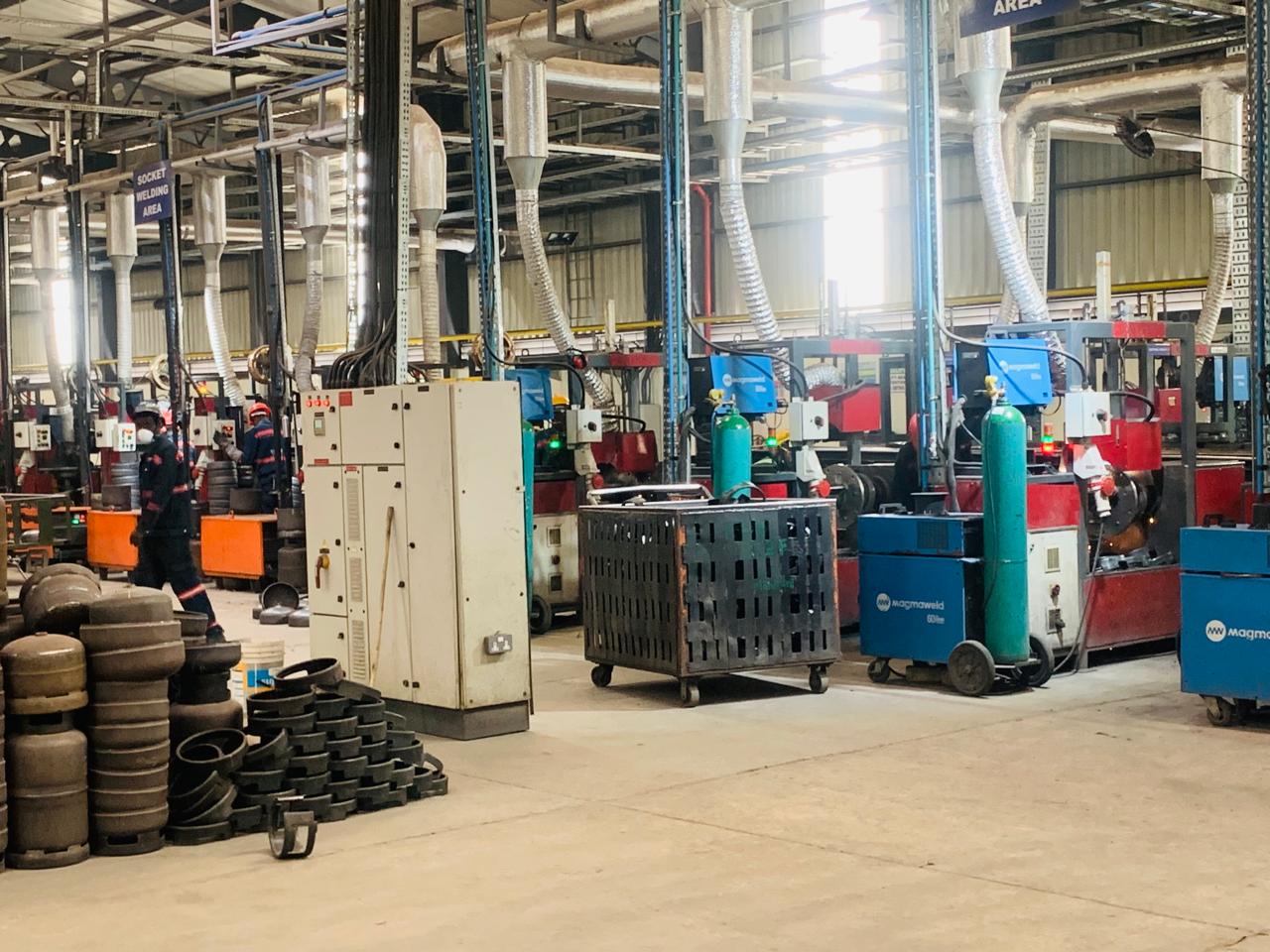
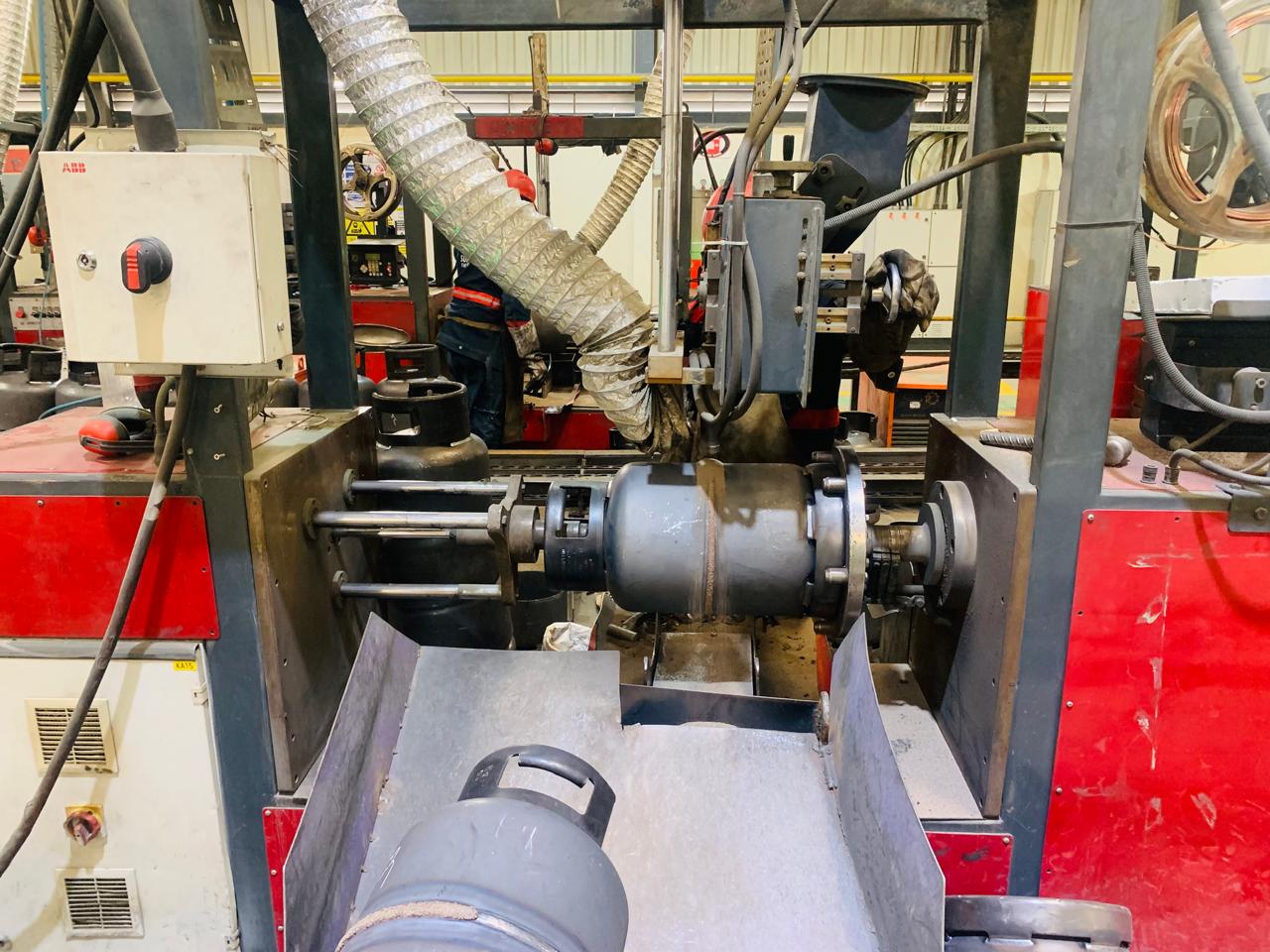
Refurbishment may include surface preparation, coating and restoration of approved brand presentation where these are permitted and included in the service. Surge Energy's company profile describes zinc metallisation and cylinder finishing among its capabilities. The work performed depends on the cylinder's condition, the agreed scope and applicable requirements. Confirm the process, materials and finish with the service team before the project begins.
Review records and return arrangements
Ask what documentation, identification or markings will be provided, who is responsible for maintaining the records and how the outcome will be linked to your fleet data. Specific certificates and issuing authorities should be confirmed for the service and market; they should not be assumed. Also agree collection, delivery and any handover information needed by your operations team. A well-organised handover helps your business distinguish cylinders cleared through the applicable process from those awaiting further action.
What should you ask a revalidation provider?
Frequently asked questions
No. Repainting may be part of refurbishment, but revalidation concerns the inspection and/or testing required to assess suitability for continued service.
No. The outcome depends on the cylinder’s condition, inspection findings and applicable acceptance criteria.
The applicable interval depends on the cylinder and the legal and technical requirements governing its use. Confirm the current requirement for your specific fleet and market with qualified advisers and the relevant authority.
Surge Energy offers cylinder refurbishment and revalidation services. Share the sizes, estimated quantities, location and available records for your fleet so the team can discuss the applicable service and documentation.
Discuss your cylinder fleet with Surge Energy
Enquire about cylinder revalidation
+254 768 312 403