

-
October 8, 2026
- 3 Comment
How to Choose LPG Cylinder Sizes for Your Distribution Business
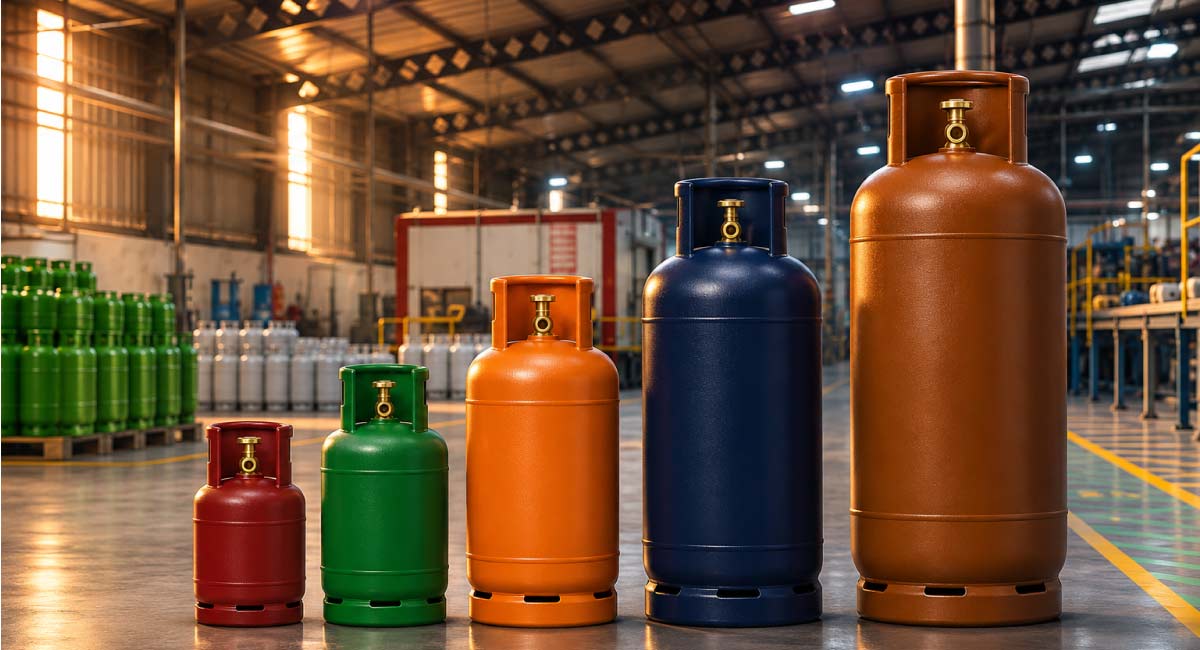
The right LPG cylinder range can help a distributor serve customers efficiently, plan deliveries and build a recognisable fleet. The wrong mix can leave popular sizes in short supply while less suitable cylinders take up space and working capital.
Choosing LPG cylinder sizes is therefore both a customer decision and an operational one. Before placing an order, consider who will use the cylinders, how your fleet will move through the supply chain and which product specifications apply in each market.
Understand what an LPG cylinder size means
When a cylinder is described as a 6 kg or 13 kg LPG cylinder, the figure generally refers to its nominal LPG contents, not the total weight of the cylinder when filled. The filled weight also includes the empty cylinder and its fitted components. Actual filling requirements depend on the cylinder design, approved markings, LPG properties and the applicable rules.
That distinction matters when planning handling and transport. A delivery team needs to consider the actual weight and dimensions of the finished product, not just the number printed in a product description. Request the manufacturer’s technical specifications, including tare weight, external dimensions and applicable filling information.
Start with the customers you serve
Customer needs should guide the first decision. Ask your sales team and distribution partners:
For household distribution, smaller and medium capacities may suit different usage patterns, budgets and handling needs. Businesses with higher consumption may prefer larger capacities or a professionally designed LPG installation. A larger cylinder is not automatically the best answer: actual demand, site design and qualified installation advice all matter.
Compare the sizes in your proposed range
Surge Energy’s company profile lists several domestic and commercial capacities. Current availability, configuration and suitability for the intended market should be confirmed before ordering.
| Cylinder category | Listed capacities | What to consider |
|---|---|---|
| Domestic LPG cylinders | 6 kg, 9 kg, 12.5 kg and 13 kg | Consider household demand, customer preferences, handling requirements and your delivery model. |
| Commercial and industrial LPG cylinders | 19 kg, 22.5 kg, 25 kg, 38 kg, 40 kg, 45 kg, 48 kg and 50 kg | Consider customer consumption, distribution logistics and the requirements of the intended installation. |
Please note: The capacities above refer to the nominal amount of LPG, not the total weight of a filled cylinder. Product availability, dimensions, valve configurations and suitability for your market should be confirmed with Surge Energy.
Do not assume that every size uses the same dimensions, valve type, guard design or accessories. Request a specification for each proposed capacity and verify that associated equipment is appropriate and approved for the intended use.
Match cylinder size to distribution logistics
A fleet’s efficiency depends on how easily cylinders move from filling plant to storage, vehicle, distributor and customer. Compare:
A larger cylinder can change the number of units a vehicle carries and how they must be secured. Plan using actual dimensions, gross weights, vehicle limits and applicable transport requirements.
Consider delivery routes, steps, narrow entrances and the equipment or staff needed to move cylinders safely. Train teams and use procedures appropriate to the load and workplace.
Cylinder dimensions influence storage layout, movement and available stock. Your storage design and operations must meet applicable safety and licensing requirements.
Consider the time cylinders spend with customers, at distributor locations, in transport and awaiting inspection. These movements affect how much fleet capacity you need.
In Kenya, discuss facility and licensing requirements with the relevant authority and qualified advisers. For example, EPRA’s LPG reticulation guidelines address aspects of installations and maintenance; determine which requirements apply to your operation rather than assuming one document covers every activity.
Think beyond the initial purchase price
The cylinder is an asset that will move through your business over time. Evaluate the full commercial picture:
For example, compare two potential ranges against your own expected order volume and delivery frequency. Build a simple model using verified costs from suppliers and your operations team rather than relying on a generic estimate.
Check specifications, documentation, and the destination market
Requirements may vary across countries and customer contracts. Before approving an order, confirm the applicable product standard, cylinder identification and markings, valve and accessory specification, finish, testing requirements and documentation. Ask your supplier which certificates apply to the exact product and destination, and check that they are current and within scope.
If supplying more than one country, do not assume approval in one market automatically covers another. Agree the applicable requirements with the buyer, supplier and relevant authorities before production.
Plan your fleet mix and review it regularly
Start with a demand forecast for each size, then compare it with actual sales, turnaround times and customer feedback. Review your mix when expanding into a new region, changing delivery routes or entering a commercial segment.
Your specification should also cover brand colour, logo placement and any required markings. Cylinder branding and customisation can help create a consistent fleet identity, subject to technical review and applicable requirements.
Frequently asked questions
No single capacity is right for every household or distribution model. Consider demand, customer preference, affordability, safe handling and the options available in your market.
The stated LPG capacity and total filled weight are different. Ask for the cylinder’s tare weight and product specifications when planning handling and delivery.
Discuss your required sizes and quantities with the supplier. Availability, production arrangements and order terms must be confirmed for each enquiry.
Surge Energy manufactures steel LPG cylinders for business customers and lists a range of domestic and commercial capacities in its company profile. Share your target market, estimated quantities, preferred sizes and branding needs with our team to discuss the available options.
Accusamus iusto odio dignissimos ducimus blanditiis praesentium voluptatum deleniti atque corrupti quos dolores
Deleniti atque corrupti blanditiis iusto odio dignissimos ducimus blanditiis praesentium voluptatum deleniti atque corrupti quos dolores
Ducimus blanditiis iusto odio dignissimos ducimus blanditiis praesentium voluptatum deleniti atque corrupti quos dolores